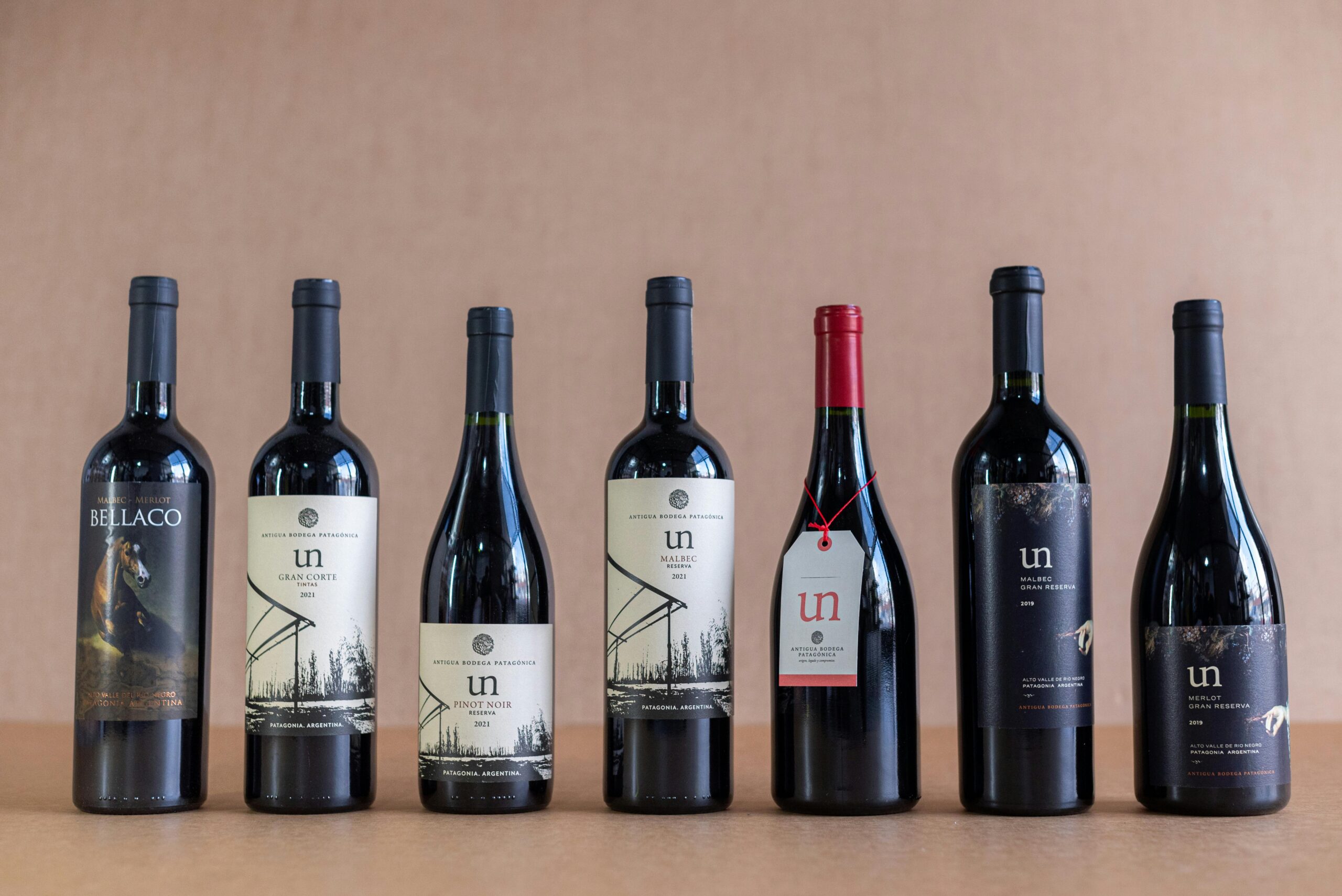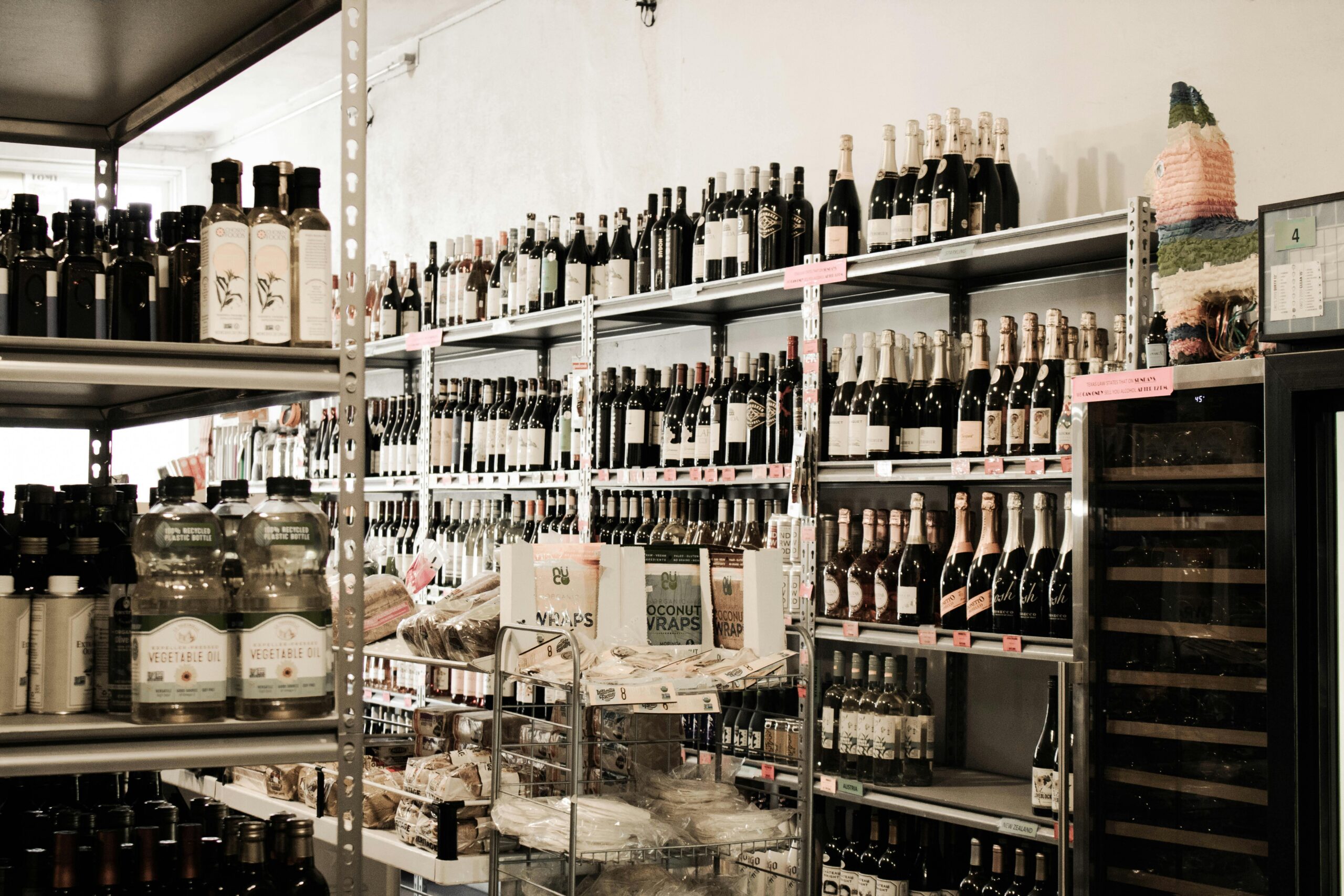


Private label wine in 2026 has shifted from a niche offering to a strategic advantage. As the market becomes more competitive, businesses are turning to private label wine to simplify portfolios, protect margins, and build stronger customer relationships.
In this environment, success is no longer driven by scale alone. Instead, focused private label wine programs outperform by aligning selection, pricing, branding, and execution around repeat purchase behavior.
Industry forecasts suggest that while pressure on wine sales may ease slightly, consumer behavior has permanently shifted toward more deliberate purchasing decisions, according to Just Drinks’ 2026 outlook:
In this climate, complexity is being penalized. Large portfolios with overlapping SKUs are harder to manage, harder to explain, and harder to sell. Focused portfolios, by contrast, create clarity for both customers and operators.
Private label wine succeeds in 2026 not because it offers more choice, but because it offers control — over pricing, positioning, availability, and storytelling. Programs built around a small number of core red and/or white wines reduce friction and encourage repeat purchase.
As Supermarket News reports, private label wine remains a bright spot even as overall wine sales soften, reinforcing that consumers trust curated, value-aligned offerings.
The role of private label wine has evolved alongside changes in the broader wine market. As consumer behavior shifts and purchasing decisions become more selective, businesses need strategies that reduce complexity while reinforcing value.
Private label wine meets this need by giving businesses control over assortment, pricing, and brand positioning. Instead of relying on external brands, companies can create a focused offering that reflects how customers actually buy wine today.
This shift is especially important as the market continues to consolidate. According to E2 Family Winery insights, businesses are under pressure to simplify portfolios and deliver consistency customers can trust.
As a result, private label wine is no longer just a product—it is a system for managing growth.
In 2026, private label wine succeeds when it reflects how people actually buy wine—not how they used to.
Focused portfolios, designed for repeat purchase and operational clarity, outperform broad, unfocused offerings. They build trust, simplify execution, and create durable value in a challenging market.
Private label wine is no longer about doing more.
It’s about doing it right.