Home » News & Events » Pricing Private Label Wine For Margin


While discounting can create short-term volume spikes, it rarely supports sustainable growth. Instead, disciplined pricing strategies help private label programs protect margin, reinforce value, and build buyer trust in a tightening market.
Pricing pressure defines the wine market in 2026. Rising production costs, cautious consumer spending, and increased competition all challenge traditional pricing models. As a result, wineries face constant pressure to discount in order to move inventory.
Industry reporting shows that this approach creates long-term risk. According to Wine Business Monthly, resorting to deep discounts can train buyers to expect lower prices, which in turn makes it harder for wineries to restore healthy profit margins later.
Pricing discipline protects against this erosion by maintaining consistency and credibility in the market.
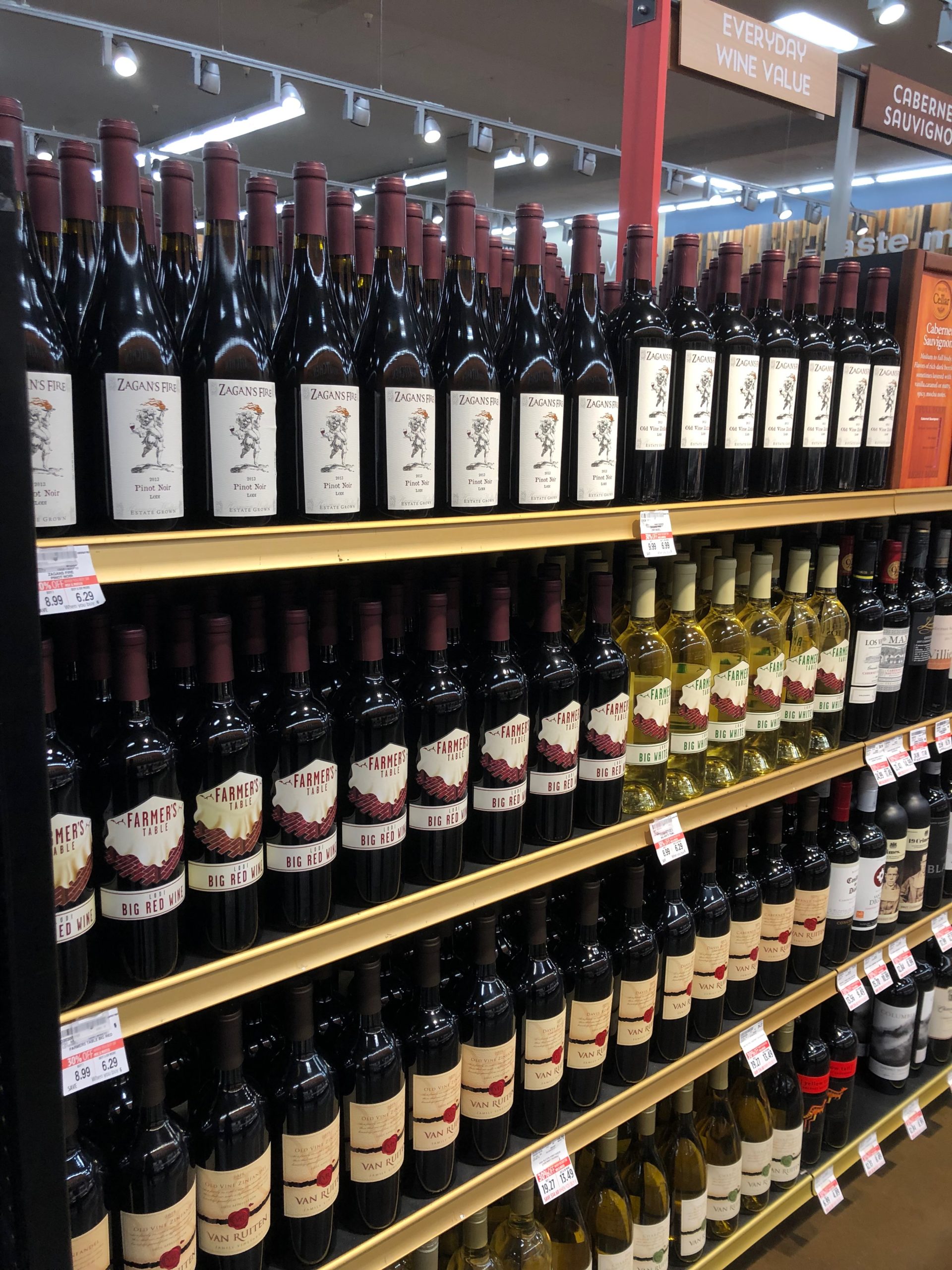
Discounting trains buyers to wait for promotions. Over time, this behavior reshapes how customers perceive value. When prices fluctuate frequently, trust erodes and margin recovery becomes difficult.
Rather than strengthening demand, aggressive discounts often compress margins and weaken brand positioning. In a tight market, price credibility matters more than short-term volume gains.
Private label wine offers a structural advantage in pricing. Unlike national brands, private label programs control cost structure, packaging decisions, and positioning. This control allows pricing to remain intentional rather than reactive.
Because pricing decisions stay closer to the business, private label pricing can align more closely with margin goals, customer expectations, and long-term strategy. This flexibility becomes especially valuable during periods of market volatility.
Instead of spreading margin risk across too many products, focused portfolios allow each wine to support the overall program. This approach also reinforces staff confidence and simplifies communication with buyers.
Effective private label wine pricing balances three core principles:
Perceived value, so pricing aligns with quality expectations
Margin stability, so profitability remains predictable
Consistency, so buyers trust the program over time
In today’s market, pricing success is not about being the cheapest option. It is about being reliable, credible, and trusted.
See how pricing discipline fits into the E2 Family Winery Private Label Program, or continue building your strategy in the Private Label Wine Hub, where selection, pricing, and portfolio structure work together.


